
NWS Meaning in Text: What Does NWS Mean?
“Happy Friday” is a natural, grammatically correct, and widely understood Friday greeting or well-wish. It signals that you’re acknowledging the end of the workweek, celebrating the day, or wishing someone an enjoyable start to the weekend.
The best alternative depends on your relationship with the recipient, the communication channel, and the tone you want. A client may suit “Wishing you a pleasant Friday,” while a close friend might appreciate “TGIF—let the weekend begin!”
What “Happy Friday” Means
“Happy Friday” is a short expression of goodwill directed at someone on Friday. It can mean “I hope you have a good Friday,” “I’m glad it’s Friday,” or “I hope your day goes well and your weekend starts nicely.”
The phrase is flexible because it doesn’t prescribe a particular activity. It doesn’t assume that someone is taking time off, going out, celebrating, or even finishing work early. It simply recognizes the day and offers a positive wish.
In everyday messaging, people often use “Happy Friday” as both an opening and a closing. Someone might write, “Happy Friday!
Could you send me the revised figures?” at the start of an email, or “Thanks for your help this week. Happy Friday!” at the end.
The expression is especially common in workplaces where Friday has a recognizable end-of-week feeling. A manager may post it in a team chat, a coworker may say it near the office kitchen, or a business may include a warm Friday line in a customer email.
Its meaning can shift slightly with punctuation and surrounding words:
- “Happy Friday!” sounds cheerful and energetic.
- “Happy Friday.” feels calm, restrained, or intentionally neutral.
- “Happy Friday, everyone!” addresses a group warmly.
- “Hope you have a happy Friday.” sounds more complete and personal.
- “Happy Friday—almost there!” adds an informal, shared-workweek tone.
There’s no single required interpretation. Context does most of the work, so the same phrase can sound polished in one message and overly casual in another.
Is “Happy Friday” Correct English?
Yes. “Happy Friday” is correct English and sounds natural in modern American English as well as in many other varieties of English. It follows the same pattern as common greetings such as “Happy Monday,” “Happy birthday,” and “Happy New Year.”
Grammatically, the phrase is an example of an abbreviated well-wish. The longer version would be something like “Have a happy Friday” or “I hope you have a happy Friday,” but English speakers commonly shorten such expressions in greetings.
“Happy Friday” isn’t a complete sentence in the traditional subject-verb-object sense. That doesn’t make it incorrect. Greetings, congratulations, and brief social expressions frequently work as sentence fragments because their intended meaning is obvious.
Capitalization depends on where the phrase appears. As a standalone greeting, “Happy Friday!” is the standard presentation, with both words capitalized; inside a sentence, lowercase is also possible: “I hope you have a happy Friday.”
The punctuation should reflect the tone rather than a rigid grammatical rule. An exclamation mark is normal for a cheerful workplace chat, while a period may work better in a restrained email to a new professional contact.
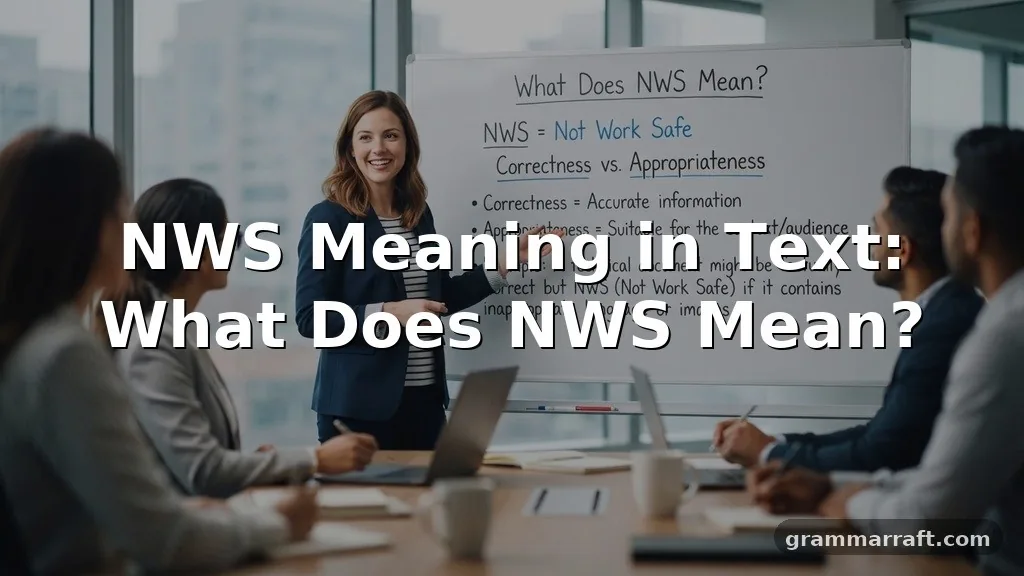
Correctness and appropriateness are different
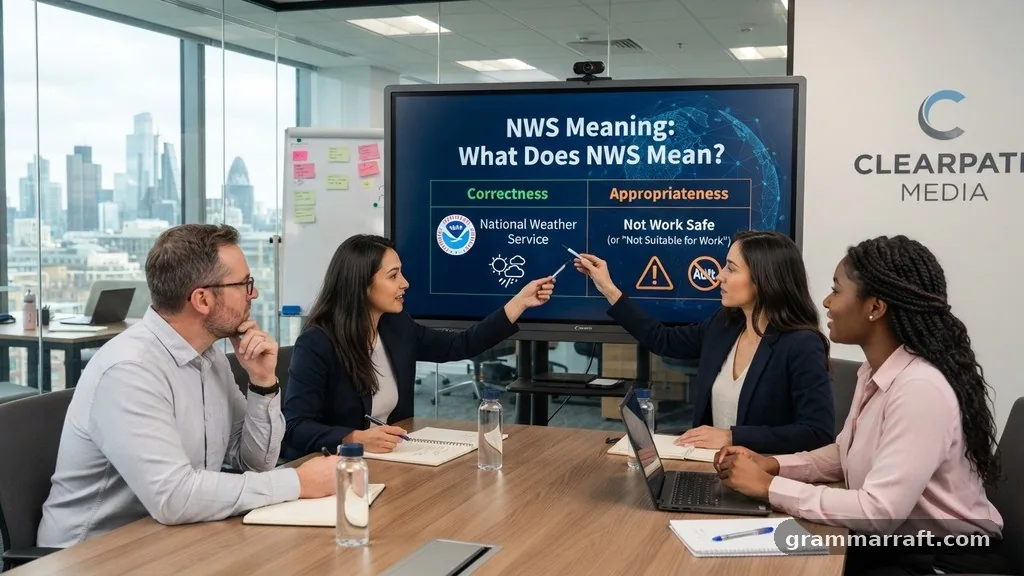
A phrase can be grammatically correct but unsuitable for a particular audience. “Happy Friday!” is correct when sent to a client, yet it may feel too informal if the client’s messages are consistently formal and strictly business-focused.
The decision is therefore social, not grammatical. Consider the relationship, the established communication style, and whether the message has an important business purpose that should come before the greeting.
For instance, “Happy Friday! I’m following up on the proposal we discussed” may be appropriate for an existing client with a friendly relationship. “Wishing you a pleasant Friday. Please find the requested documentation attached” is safer for a new professional contact.
Is “Happy Friday” Professional?
“Happy Friday” can be professional, especially in workplaces that use conversational communication. It is usually suitable for internal email, workplace chat, team announcements, and messages to colleagues who already use a warm, informal style.
Professional communication isn’t defined only by whether a phrase sounds formal. Relevance, clarity, respect, and audience awareness matter just as much. A brief Friday greeting can make a message feel human without weakening the business information that follows.
The phrase becomes less suitable when it distracts from a sensitive topic or creates forced cheerfulness. A message about a missed deadline, service interruption, complaint, or difficult employee issue shouldn’t open with an exuberant “Happy Friday!” unless the context genuinely supports it.
Use the greeting lightly. One friendly line is enough; several exclamation marks, repeated weekend references, or exaggerated enthusiasm can make a business message appear careless.
| Audience | Suitable greeting | Tone | Practical note |
|---|---|---|---|
| Close coworker | Happy Friday—almost there! | Casual and friendly | Works well in chat or a short email. |
| Whole team | Happy Friday, team. Thanks for a strong week. | Warm and appreciative | Suitable for a team update. |
| Boss or manager | Happy Friday. I hope you have a relaxing weekend. | Respectful and warm | Keep it polished and avoid slang unless your workplace uses it. |
| Existing client | Wishing you a pleasant Friday and a restful weekend. | Professional and personable | Best when the relationship is already established. |
| New business contact | I hope your Friday is going well. | Neutral and courteous | Less familiar than a direct “Happy Friday!” |
When in doubt, match the recipient’s existing tone. If they use contractions, brief greetings, and occasional exclamation marks, “Happy Friday!” will probably fit; if their messages are formal and reserved, choose a more measured alternative.
Professional Friday Greetings for Work
Professional Friday greetings should add warmth without taking over the message. The safest options acknowledge the day while remaining useful, respectful, and easy to read.
For a general workplace message, “I hope your Friday is going well” is one of the most versatile choices. It sounds friendly but doesn’t assume that the recipient is excited about the weekend or finished with their responsibilities.
“Wishing you a productive Friday” works when the day still includes important tasks. It recognizes the desire to finish well rather than suggesting that everyone should mentally leave work as soon as Friday begins.
“Have a great Friday” is slightly more conversational. It fits coworkers, familiar vendors, and clients with whom you already have a relaxed professional relationship.
Friday greetings for coworkers
Messages to coworkers can be shorter and more relaxed because the shared work environment supplies much of the context. The following phrases are natural in workplace chat, internal email, and quick conversations:
- Happy Friday! Hope your morning is going smoothly.
- Hope you have a good Friday and an easy finish to the week.
- Wishing you a productive Friday.
- Happy Friday, and thanks for all your help this week.
- Finish the week strong—you’re almost there.
- Hope Friday treats you well.
“Finish the week strong” is motivational rather than relaxed. It works before a deadline, a presentation, or a final team push, but it may sound demanding if people are already under pressure.
Friday greetings for a boss or manager
You can say “Happy Friday” to a boss or manager if the workplace relationship is friendly and the organization uses informal communication. The phrase is not disrespectful by itself.
A slightly more polished version may be better if you’re writing upward in a formal organization. Try “Happy Friday. I hope you have a restful weekend” or “Wishing you a pleasant Friday and a relaxing weekend.”
Don’t use the greeting to disguise an urgent issue. If your manager needs to approve a document or respond to a problem, state that purpose clearly before adding a Friday wish at the end.
Friday greetings for teams
Messages for teams can combine a Friday wish with appreciation or a practical reminder. “Happy Friday, everyone. Thank you for keeping the launch on track this week” feels more meaningful than a generic greeting because it identifies a specific contribution.
For a team that has had a demanding week, choose encouragement carefully. “I appreciate the effort you’ve put in this week. I hope you get a chance to recharge” is supportive without pretending that every task was easy.
Friday Greetings for Clients and Customers
Friday greetings for clients and customers need a little more restraint than messages to friends or close coworkers. The goal is to sound considerate, not overly familiar or as though you’re trying to end the business relationship for the week.
For an existing client, “Wishing you a pleasant Friday and a relaxing weekend” is a dependable choice. It is warm enough for relationship-building but still appropriate in a business email.
“I hope you’re having a good Friday” is useful when you’re beginning a conversation that isn’t especially formal. It leaves room for the client to answer naturally without requiring a cheerful response.
For customer service, the greeting should never delay the solution. “Happy Friday, and thank you for reaching out. I’ve reviewed your order and can confirm that…” places the customer’s need first while keeping the tone pleasant.
Some phrases are better avoided with customers unless your brand voice is deliberately playful:
- “TGIF!” can imply that the sender is eager to stop working.
- “We made it!” may sound too familiar or assume the customer shares your workweek.
- “Weekend vibes only!” is usually too casual for a formal business relationship.
- “Finally, it’s Friday!” can suggest that work has been an unwelcome burden.
A customer may work weekends, follow a different schedule, or have no particular connection to Friday. “I hope you’re having a pleasant day” is more inclusive when the recipient’s routine is unknown.
Business email examples
A Friday email greeting should support the email’s purpose. Put the relevant request, update, or answer near the beginning instead of making the recipient read through a long personal introduction.
For a routine update, write: “Happy Friday, Jordan. The final inventory report is attached, and the three outstanding items are marked in yellow.” The greeting adds warmth, while the second sentence immediately communicates the useful information.
For a client follow-up, try: “I hope your Friday is going well. I’m following up on the proposal and wanted to confirm that Tuesday at 2 p.m. still works for our call.” This sounds professional without being stiff.
For a closing message, use: “Thank you for reviewing the materials. Wishing you a pleasant Friday and a restful weekend.” It’s especially appropriate when no urgent response is required.
Natural Alternatives to “Happy Friday”
There are many other ways to say “Happy Friday,” but they don’t all communicate the same feeling. Some focus on the current day, some look ahead to the weekend, and others emphasize productivity, relief, or humor.
| Alternative | Main tone | Best use | What it communicates |
|---|---|---|---|
| Have a great Friday | Friendly | Coworkers, friends, familiar clients | A straightforward good wish for the day |
| Enjoy your Friday | Warm and relaxed | Personal messages and informal work chats | Encourages the recipient to enjoy the present day |
| Wishing you a productive Friday | Professional | Teams, colleagues, business emails | Focuses on completing work well |
| Have a wonderful Friday | Warm and upbeat | Friends, family, supportive messages | A more enthusiastic version of the basic greeting |
| Have a great weekend | Weekend-focused | Email closings, Friday departures | Moves attention from Friday to the days ahead |
| Hope you get to relax this weekend | Personal and caring | Friends, family, close coworkers | Shows concern for rest rather than just celebration |
“Enjoy your Friday” is present-focused. It works well during the day, while “Have a great weekend” is more natural as a closing message when someone is about to finish work.
“Have a wonderful Friday” sounds warmer and more enthusiastic than “Have a good Friday.” It can be lovely in a personal message, but it may feel exaggerated in a brief email to a distant business contact.
Formal Friday greetings
Formal Friday greetings are useful when the recipient is senior, unfamiliar, or part of a reserved professional culture. They usually avoid slang and keep the emotional level moderate.
- I hope your Friday is going well.
- Wishing you a pleasant Friday.
- I hope you have a productive end to the week.
- Best wishes for a pleasant Friday and weekend.
- I hope you enjoy a restful weekend.
These phrases don’t sound cold. Their restraint makes them suitable for formal email, new professional contacts, and business situations where familiarity hasn’t been established.
Casual Friday greetings
Casual Friday greetings are more expressive and can refer to shared relief, plans, or weekend anticipation. They fit friends, family, close coworkers, and informal WhatsApp groups.
- Friday is here!
- Hope you have an awesome Friday.
- Let’s finish the week and get to the good part.
- Happy Friday—what are you getting up to this weekend?
- Hope your Friday is easy and your coffee is strong.
- Weekend vibes are officially starting.
These alternatives are not interchangeable with formal business greetings. “Hope your coffee is strong” assumes a level of familiarity that would be odd in a message to a new client.
Funny, Playful, and Creative Friday Expressions
Funny Friday greetings work best when the recipient already understands your humor. They can make a group chat or personal text feel lively, but humor is less predictable than a simple good wish.
“TGIF” means “Thank God It’s Friday.” It expresses relief that the workweek is ending and is common in informal American English. The phrase is widely recognized, but it can sound casual, dramatic, or slightly dated depending on the speaker and audience.
Use “TGIF” with friends, close coworkers, or a relaxed WhatsApp group. It’s usually not the best choice for a formal client email, a serious workplace announcement, or a message to someone whose religious or cultural preferences you don’t know.
Other funny Friday greetings include:
- Happy Friday—may your meetings be short and your inbox behave.
- We’ve reached the final level of the workweek.
- Friday has entered the chat.
- May your to-do list shrink faster than your patience.
- Happy Friday. Time to look busy until the weekend begins.
- Congratulations on completing another weekly episode.
The strongest humorous messages connect the joke to a real situation, such as meetings, email, commuting, or deadlines. Generic jokes repeated every Friday can lose their effect, especially in a professional team channel.
Friendly messages for friends and family
Friday messages for friends and family can be more personal because the purpose is often connection rather than courtesy. Mentioning a shared plan, a recent challenge, or something you know the recipient enjoys makes the greeting feel less copied.
Try: “Happy Friday! You’ve earned a quiet evening after this week. Want to grab dinner tomorrow?” The first sentence offers encouragement, and the second gives the conversation a clear next step.
For family, “Have a wonderful Friday, Mom. I hope the appointment went well—call me when you’re free” combines a warm wish with genuine attention. That is more meaningful than adding several cheerful phrases without asking about the person.
For a friend who has had a stressful week, write: “Friday at last. I hope you can switch off for a few hours tonight.” This sounds caring rather than artificially enthusiastic.
Motivational Friday Messages
Motivational Friday messages focus on progress, appreciation, or finishing responsibilities with care. They’re useful for team leaders, project managers, teachers, coaches, and colleagues who want to recognize effort without creating pressure.
“Finish the week strong” is a concise motivational line. It works best when paired with a realistic message, such as “Finish the week strong, and remember that the report only needs the final review.”
For a team, specificity matters. “Thank you for turning around the customer requests so quickly this week. Let’s close out the remaining two items carefully, then enjoy the weekend” recognizes actual work and sets a clear expectation.
A motivational message should not imply that rest is undeserved. Strong workplace communication can encourage completion while also recognizing that people need time away from work.
- Happy Friday, team. We’re close to the finish line—thank you for staying focused.
- Wishing everyone a productive Friday and a well-earned break afterward.
- Let’s complete the priority items, support one another, and finish the week well.
- Thank you for the steady progress this week. I hope you get time to recharge.
- One final push, then it’s time to step away and reset.
For a colleague, a more personal version may be better: “You handled a difficult client conversation thoughtfully. I hope Friday gives you a chance to breathe.” It praises a concrete action instead of using vague encouragement.
Friday Messages by Communication Channel
The same wording can feel different in an email, a text, a workplace chat, or a social media caption. The channel sets expectations for length, punctuation, familiarity, and how much context the recipient needs.
Friday email greetings
In a business email, place the Friday greeting either after the recipient’s name or near the closing. Don’t let it replace a clear subject line or a direct opening.
- Opening: “Happy Friday, Priya. I’m sending the revised schedule for your review.”
- Neutral opening: “I hope your Friday is going well. Could you confirm the delivery address?”
- Closing: “Thanks again for your time. Wishing you a pleasant weekend.”
- Internal update: “Happy Friday, team. The training slides are now available in the shared folder.”
Avoid opening a complaint response with “Happy Friday!” because the cheerfulness can clash with the subject. Start with empathy or the solution, then add a restrained weekend wish if it fits.
Friday texts and WhatsApp messages
Text messages and WhatsApp messages can be shorter, more conversational, and more personal. The recipient already knows who you are, so you rarely need a complete formal sentence.
- Happy Friday! Any plans for tonight?
- We made it. Hope you have a relaxing weekend.
- Friday check-in: how did your presentation go?
- TGIF! Dinner tomorrow still works for you?
- Have a great Friday—call me when you’re finished with work.
In a group chat, remember that not everyone may have the same schedule. “Hope everyone has a good day” is more inclusive than assuming the whole group is celebrating the end of a standard Monday-to-Friday job.
Friday social media captions
Social media captions can be short, playful, or linked to a photo. A caption should match the platform and the audience; a professional LinkedIn post generally benefits from a different tone than a personal Instagram story.
- Friday mood: grateful for the week and ready for a reset.
- Ending the week with good work and better company.
- Happy Friday—here’s to a slower morning tomorrow.
- Weekend vibes loading.
- Friday feels better with a finished to-do list.
- Small wins, big relief, and a little weekend ahead.
On LinkedIn, “Wishing everyone a productive Friday and a restful weekend” is safer than “TGIF!” because it balances professional optimism with a human tone. On an informal social platform, humor and shorter phrases are usually more natural.
“Happy Friday” vs. “Have a Great Weekend”
“Happy Friday” and “Have a great weekend” overlap, but they are not identical. The first centers on the current day; the second looks ahead to Saturday and Sunday or whatever time off the recipient may have.
“Happy Friday” works in the morning, at midday, or during a Friday conversation. “Have a great weekend” is especially natural near the end of the workday, after a final meeting, or in an email closing.
| Phrase | Time focus | Typical use | Example |
|---|---|---|---|
| Happy Friday | Today | Greeting or opening | Happy Friday! How is the project coming along? |
| Enjoy your Friday | Today | Warm personal wish | Enjoy your Friday and take a proper lunch break. |
| Have a great weekend | Days ahead | Closing or farewell | Thanks for meeting today. Have a great weekend. |
| Have a restful weekend | Days ahead | Supportive professional closing | You’ve had a busy week. Have a restful weekend. |
You can combine the two when the context calls for it: “Happy Friday, and have a great weekend when you get there.” That sounds friendly, although it may be more words than necessary in a formal email.
If you don’t know whether the recipient has weekends off, use “I hope you have a pleasant few days ahead” or “I hope you enjoy your time away from work.” These alternatives avoid assuming a standard schedule.
How to Choose the Right Friday Greeting
The most useful way to choose among Friday wishes is to assess four things: the audience, the relationship, the channel, and the desired tone. A greeting that works perfectly in one setting can sound misplaced in another.
Audience and relationship
A close friend can receive “Friday is finally here!” without explanation. A new professional contact usually calls for “I hope your Friday is going well,” which is warm but doesn’t presume familiarity.
With a boss or manager, follow the workplace culture. “Happy Friday!” is fine in a relaxed team, while “Wishing you a pleasant Friday” is more suitable in a formal environment.
Communication channel
Email favors complete thoughts and clear purpose. Workplace chat allows shorter lines, while a text message can include a personal question or reference to weekend plans.
Social media allows more creativity, but public posts should still reflect the account’s identity. A professional company page should avoid jokes that could make customers feel excluded or suggest that the business is unavailable.
Desired tone
Choose a phrase that matches the emotion you actually want to convey:
- Neutral: “I hope your Friday is going well.”
- Warm: “Wishing you a pleasant Friday.”
- Friendly: “Have a great Friday!”
- Motivational: “Let’s finish the week strong.”
- Relaxed: “Enjoy your Friday.”
- Funny: “Friday has entered the chat.”
- Weekend-focused: “Have a restful weekend.”
Warmth doesn’t require exaggerated cheerfulness. A thoughtful sentence tied to the recipient’s situation usually sounds more sincere than multiple exclamation marks and generic enthusiasm.
Common Mistakes to Avoid
The most common mistake is using a level of familiarity that the relationship hasn’t earned. “Hey superstar, TGIF!” may be entertaining among close coworkers, but it can sound presumptuous in a first email to a client.
Another mistake is assuming that everyone experiences Friday in the same way. Shift workers, freelancers, healthcare staff, retail employees, and international teams may follow entirely different schedules.
Be careful with “finally,” “we made it,” and similar phrases in customer-facing communication. They may unintentionally suggest that serving customers or completing work is something the sender is eager to escape.
Overusing exclamation marks can also weaken the message. One is enough for most friendly greetings; a professional email often needs none.
- Don’t use slang with a recipient who prefers formal language.
- Don’t add a Friday greeting to a serious message if it clashes with the subject.
- Don’t assume the recipient has Saturday and Sunday off.
- Don’t make the greeting longer than the actual purpose of the message.
- Don’t use “TGIF” if you’re unsure the audience will understand or appreciate its tone.
There’s also a subtle difference between a greeting and a sign-off. “Happy Friday” invites a conversation or acknowledges the day, while “Have a great weekend” often signals that the interaction is ending.
Copy-Ready Friday Greetings by Situation
These examples are designed to be adapted rather than copied mechanically. Add a specific detail whenever possible, because a brief personal reference makes a routine Friday message feel genuine.
| Situation | Copy-ready message | Why it works |
|---|---|---|
| Close coworker | Happy Friday! We survived the reporting deadline. Hope you get a quiet evening. | Shared experience makes the casual tone natural. |
| Entire team | Happy Friday, team. Thank you for keeping the client rollout moving this week. | It combines a greeting with specific appreciation. |
| Manager | Happy Friday. I’ve attached the completed summary, and I hope you have a relaxing weekend. | It stays respectful and puts the business purpose first. |
| New professional contact | I hope your Friday is going well. I’m reaching out regarding next week’s meeting. | Neutral wording avoids excessive familiarity. |
| Existing client | Wishing you a pleasant Friday. Thank you for the helpful feedback on the latest draft. | Warmth is balanced with business relevance. |
| Customer service email | Happy Friday, and thank you for contacting us. I’ve confirmed that your replacement order is scheduled. | The solution follows immediately. |
| Close friend | Happy Friday! Are we still on for tacos tonight? | It is personal, direct, and easy to answer. |
| Family member | Have a wonderful Friday. I hope your appointment went well—call when you have a moment. | It pairs a kind wish with genuine concern. |
| WhatsApp group | Happy Friday, everyone! Any plans for the weekend? | It opens the door for group conversation. |
| LinkedIn post | Wishing everyone a productive Friday and a chance to recharge over the weekend. | It is positive without sounding overly casual. |
| Informal social post | Friday mood: grateful for the small wins and ready for some weekend calm. | It sounds natural as a caption and has a personal voice. |
For questions about standard usage, a reputable dictionary such as Cambridge Dictionary’s entry for “happy” can help clarify how the adjective functions in related expressions. The important practical point remains audience fit: a correct phrase still needs the right tone.
FAQ About “Happy Friday”
Is “Happy Friday” correct English?
Yes. “Happy Friday” is a grammatically acceptable and natural greeting or well-wish. It is a shortened form of “Have a happy Friday” and is common in conversation, email, workplace chat, and personal messaging.
Is “Happy Friday” professional?
It can be professional in a friendly workplace or an established business relationship. For a formal setting or a new contact, “I hope your Friday is going well” or “Wishing you a pleasant Friday” may be a better fit.
Can I say “Happy Friday” to my boss?
Yes, provided it matches your workplace culture and your manager’s communication style. Keep the message respectful, avoid excessive slang, and make the work-related purpose clear if the greeting appears in an email.
Can I say “Happy Friday” to a client?
Yes, especially if you already have a friendly relationship with the client. For a new or highly formal client, choose “Wishing you a pleasant Friday” or place “Have a great weekend” at the end of a business-focused email.
What is another way to say “Happy Friday”?
Natural alternatives include “Have a great Friday,” “Enjoy your Friday,” “I hope your Friday is going well,” “Wishing you a productive Friday,” and “Have a wonderful Friday.” Choose based on whether you want a formal, friendly, motivational, or relaxed tone.
What should I write in a Friday email?
Start with the purpose of the email and use a brief greeting such as “Happy Friday, Jordan” or “I hope your Friday is going well.” Close with “Have a great weekend” when the message is ending and no urgent response is needed.
What is the difference between “Happy Friday” and “Have a Great Weekend”?
“Happy Friday” focuses on the current day and works well as an opening greeting. “Have a great weekend” focuses on the time ahead and is more commonly used as a Friday farewell or email closing.
What does TGIF mean?
TGIF means “Thank God It’s Friday.” It expresses relief or excitement that the workweek is ending and usually has a casual, informal tone. Use it with friends or close coworkers rather than in formal client communication.
What are some funny Friday greetings?
Try “Friday has entered the chat,” “May your meetings be short and your coffee strong,” or “We’ve reached the final level of the workweek.” Use funny Friday greetings only when the audience is comfortable with that style.
Choosing the Best Friday Greeting
The practical rule is simple: use “Happy Friday” when you want a natural, cheerful acknowledgment of the day, and switch to a more specific alternative when the audience or purpose calls for it. “Wishing you a pleasant Friday” is safer for formal contacts, while “TGIF!” belongs with people who share your casual tone.
A well-chosen Friday message doesn’t need to be elaborate. Match the recipient’s language, keep the warmth proportionate, and connect the greeting to a real purpose or personal detail.
Once you understand the NWS Meaning in Text? No—the relevant meaning here is straightforward: “Happy Friday” is a flexible well-wish, and the best wording depends on the person and situation.
One Comment